A party, but still work
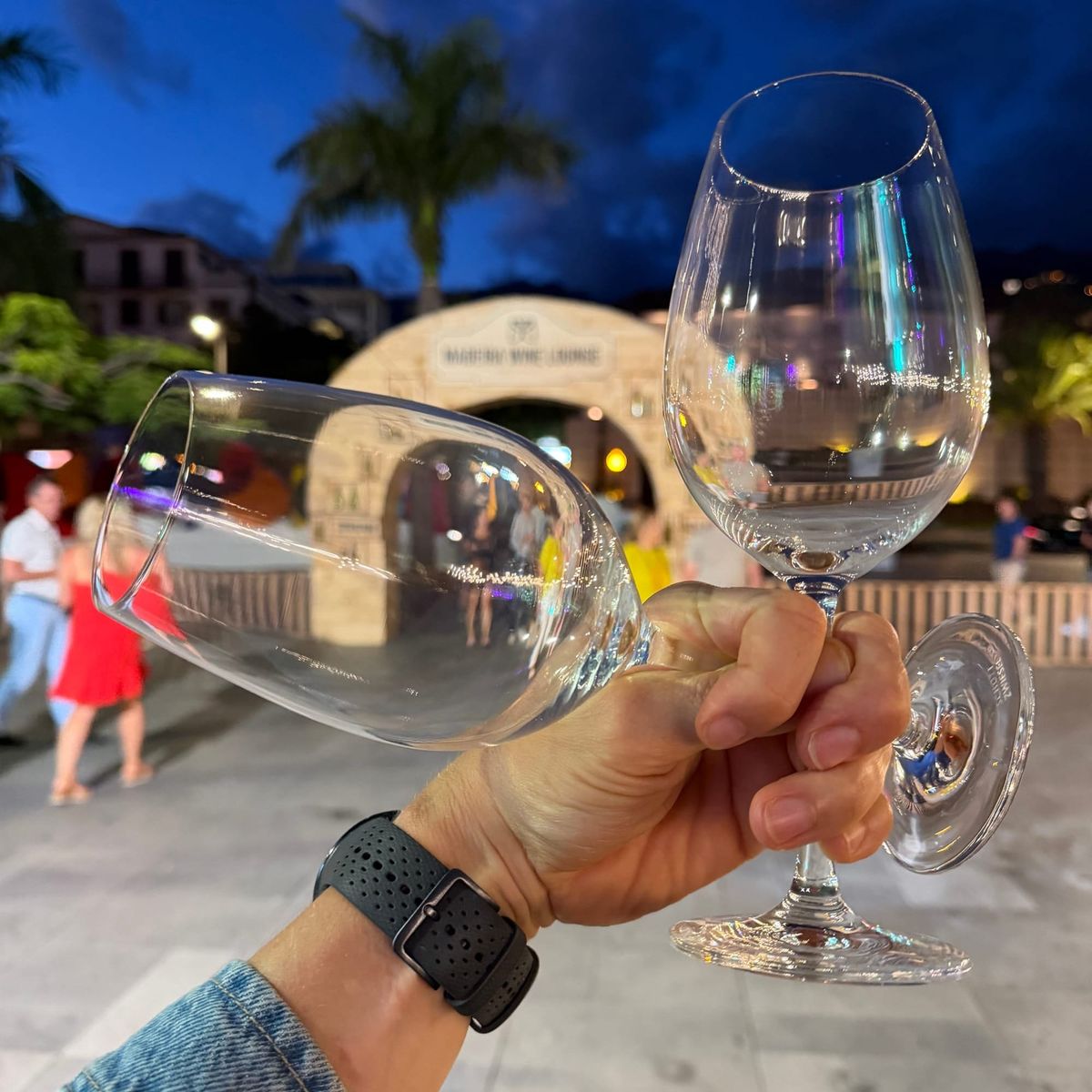
The holiday season is soon upon us, and with it come the company parties. We actually had ours back in September, but it got me thinking: a company party IS a party, but it still remains work. So what are the rules?
I think there are two mindsets. You’re either on Team 1: It’s work. Or Team 2: It’s a party. I’m firmly on Team 1. Because on Monday, I’ll be back at the office, and it’ll be business as usual. I’d hate to be the talk of the office.
I’m not sure the protocol allows everybody to truly choose which approach they take. The higher up you are, the farther you can fall—and your reputation follows you beyond the office building. You might be off the clock, but you’re not entirely free of work’s rules.
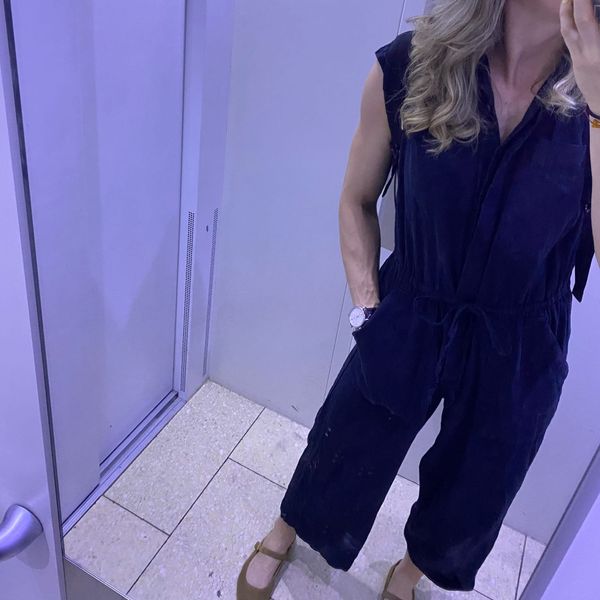
One of my favorite parts of a company party is playing fashion police. Quietly, and purely for my own entertainment, of course—unless a work bestie cares to join me. Working in manufacturing, I’m often most impressed by how dressed up the line workers are. Maybe it’s a Cinderella effect: their outfits stand out even more because I usually see them in work clothes only. And I feel they rightfully steal the show, as they’re the ones making the actual goods companies sell. I’ll go out of my way to compliment a good outfit, because I feel that energy needs to be shared. Good vibes only, hence only genuine compliments.
Then there are the women who arrive in very sexy outfits and receive attention. They can be wearing something perfectly appropriate, like a dress and heels. The fashion police approves of the outfit in general; however, at a work event, I personally don’t necessarily want that kind of attention. But I do catch myself criticizing my own outfit when I show up in slacks and a nice blouse—something I might also wear on a random Thursday—and see someone else who has taken the whole thing to another level.
So am I being conservative—or am I just jealous that they pulled off a more fabulous outfit?
The higher up you are in an organization, the less fun I think people have at these events, because there are expectations, and everybody is watching. Not everyone knows Steve from Maintenance, who got blackout drunk—at least not until the following Monday. But everybody knows Collin, the Business Unit Head. Collin is expected to greet and mingle with all his employees. He can’t just hang out with his peers and have a great evening. There are politics to consider.
Which leads me to the question: how free are you actually at a company party? The party may be paid for by the company, but you’re attending in your own free time. So shouldn’t that mean you get to have fun, no matter your position?
As the evening goes on and the spirits flow, some people feel the effects of alcohol and don’t know when it’s time to stop. Here’s where Team 1 and Team 2 manifest themselves. There’s usually that one guy who drinks way too much and ends up entertaining everyone—until he doesn’t. This is usually Team 2: It’s a party. Free alcohol, and I’m going to have a fun night out. It wouldn’t be a company party without that person.
Then there are the managers who don’t have a grip on their alcohol consumption.
Nothing worse than a manager making innuendo-laden comments to someone who reports to them. It’s not just awkward. It’s gross and unprofessional. There’s a power imbalance, and being at a party doesn’t make it disappear. That’s when we need a knight or queen in shining armor, of any rank, to step in. Speak up, check in with your colleague, and don’t brush it off as “just a joke.” We should be able to have fun together without having to put up with inappropriate behavior.
Generally, people value getting out of the ordinary workplace setting for a dinner. In difficult economic times, I’m grateful we still have a company party or dinner. Even the party-poopers who complain that they have to spend the evening with their co-workers usually end up having a good time.
I’ve wondered: does it require spirits to find the spirit?
I know the free-flowing alcohol is an important component for many. And I understand that, to a certain extent, it is a work event: work is paying for it. But if it’s just work and no party, is it worth having? Then it becomes a team lunch, and that’s not quite the same.
Memories tend to come from things that are out of the ordinary. We spend so many Mondays at work with the same faces that it’s nice to see people in a different setting.
Don’t get me wrong—you have to pay me to work with certain people. But there are others I genuinely enjoy spending time with. I’m glad I get to connect outside meetings and deadlines, get to know the people behind the job titles, and make memories that aren’t about work.
So have fun at your company event. Make good memories, and hold on to all the stories (and, let’s be honest, a little gossip).
xoxo F